The Impact of Flight Cancellations on Travelers and your right as traveller

Flight cancellations can significantly disrupt the travel plans of many individuals, often leading to a multitude of unforeseen challenges. These disruptions are not merely inconvenience; they can result in considerable financial loss, emotional distress, and a decrease in overall travel satisfaction. Common reasons for flight cancellations include inclement weather conditions, technical issues with the aircraft, and operational disruptions. Such circumstances can arise suddenly, leaving travelers scrambling to find alternative arrangements or accommodations.
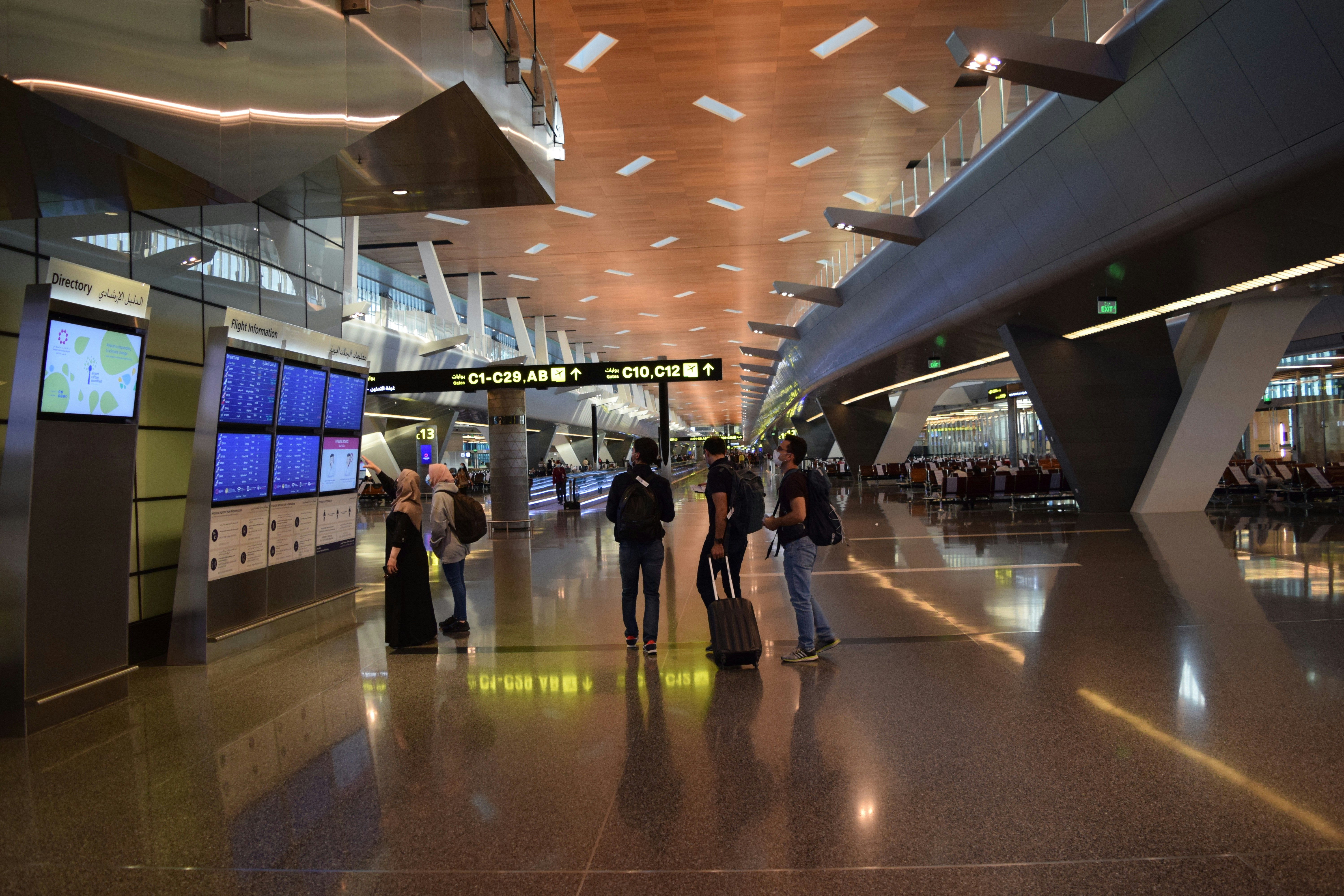
The emotional toll of a cancelled flight should not be underestimated. Travelers may experience feelings of frustration, anger, and helplessness as they navigate the complexities of rebooking flights or communicating with airline representatives. For instance, a family travelling for a long-awaited vacation may find themselves stranded at an airport due to an unexpected cancellation, leading to disappointment and escalating stress. Anecdotal evidence showcases entire trips spoiled by cancellations, pushing travelers to face the intricacies of airline policies while grappling with their emotional reactions.
Moreover, the financial implications of a flight cancellation can be significant. Ticket costs, hotel reservations, and activities may not always be refundable if plans suddenly change. This financial burden can exacerbate an already distressing situation, leading passengers to feel an increased sense of urgency and anxiety. Illustratively, a business traveler missing important meetings due to a cancelled flight may not only lose money but also harm professional relationships, illustrating further the extensive repercussions cancellations can invoke.
In light of these factors, understanding the impact of flight cancellations is crucial for travelers. Awareness of potential causes, along with the emotional and financial challenges they pose, can empower individuals to better handle their travel experiences and plan accordingly. Being proactive about one’s rights can also aid in feeling more in control during these unforeseen events.
Know Your Rights: Full Refund vs. Rerouting
When a flight is canceled, it is essential for passengers to understand their rights regarding refunds and rerouting alternatives. Under regulations set by various jurisdictions, airlines have specific responsibilities to the travelers who are affected. Generally, if your flight is canceled, you are legally entitled to either a full refund for your ticket or an alternative flight to your destination at no additional cost. This obligation holds even if the cancellation is due to extraordinary circumstances, allowing travelers to maintain some level of financial protection.
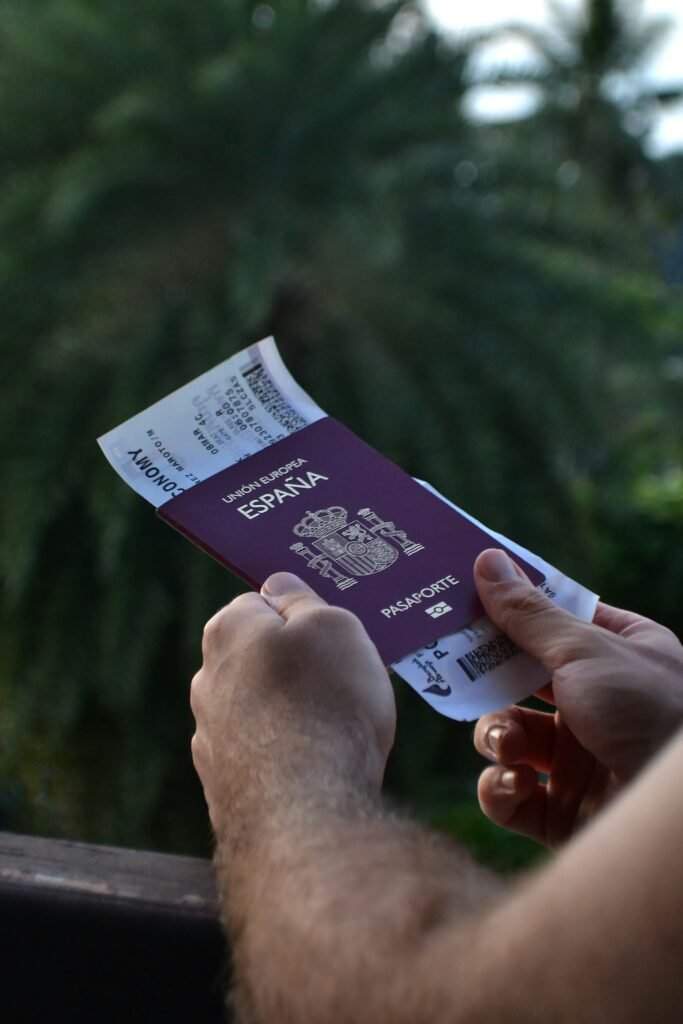
To claim your rights effectively, it is advisable to start by gathering all relevant documentation. This includes your flight confirmation, any correspondence with the airline, and information regarding the cancellation. When contacting the airline, being polite yet firm is key; clearly articulate your request for either a full refund or rerouting. In instances where you have opted for a rerouting, ensure that the proposed alternative meets your travel needs, including reasonable layover times and similar travel conditions.
Airlines typically provide multiple channels for claims, including online portals, customer service hotlines, and social media platforms. Utilize these resources systematically, providing relevant details without overwhelming representatives with excessive information. Many airlines may prioritize claims submitted through their official channels, so be sure to adhere to the outlined procedures. If challenges arise in obtaining a refund or satisfactory rerouting options, you may consider escalating the issue by contacting consumer protection agencies or regulatory bodies that oversee air travel within your area.
Understanding ‘Duty of Care’ During Flight Interruptions
In the context of air travel, ‘duty of care’ refers to the obligations that airlines have toward their passengers during flight disruptions, including cancellations and delays. It is a crucial component of air travel regulations that aims to protect travelers in the event of unforeseen circumstances affecting their journeys. When a flight is canceled or substantially delayed, the airline is expected to provide certain amenities to ensure the welfare of its passengers, demonstrating their commitment to customer service.
Airlines typically fulfill their duty of care by offering basic necessities such as meals, accommodation, and transportation. Specifically, if a cancellation requires passengers to stay overnight or leads to extended delays, airlines are generally mandated to provide food options and, in many cases, hotel accommodations. Passengers should remain vigilant and informed about their rights; they can request these services from ground staff upon notification of the flight change. If the uncertainty persists, it is advisable to approach the customer service desk of the airline for assistance.
Additionally, during long delays at the airport, airlines may provide meal vouchers that travelers can use at various concession stands, depending on the duration of the wait. The specifics surrounding these services can vary significantly between different airlines and jurisdictions, so it is essential for passengers to be aware of the policies of the airline they are traveling with.
Moreover, maintaining open communication with the airline’s representatives is key to accessing the available support. Passengers should not hesitate to express their needs and inquire about the amenities they are entitled to during such interruptions. Ultimately, understanding the concept of duty of care ensures travelers can take the necessary steps to secure their rights and well-being amid flight disruptions.
Extraordinary Circumstances: What You Need to Know
Flight cancellations can be distressing for travelers, especially when they’re left wondering about their rights and potential compensation. However, it is crucial to comprehend the concept of “extraordinary circumstances” that can affect your eligibility for compensation. These occurrences typically fall beyond the airline’s control and include severe weather conditions, natural disasters, political unrest, or security risks. For example, a flight canceled due to a blizzard or a volcanic eruption would generally be classified under extraordinary circumstances, thus exempting airlines from liability for compensatory payouts.
Moreover, situations involving air traffic control strikes or unpredicted technical failures can also qualify under this category. In these instances, regulations stipulate that airlines are not obligated to provide compensation, as these situations are deemed unforeseen and unpreventable. Understanding the nuances of what constitutes extraordinary circumstances is vital for any traveler. By familiarizing yourself with these definitions, you can manage expectations regarding flight cancellations and associated compensation.
If you experience a flight cancellation, it is prudent to document everything meticulously. Keep records of your flight details, including booking confirmations and any communication with the airline. Should you incur additional expenses, such as accommodation or meals while waiting for rebooking, retain all receipts. This documentation can serve as evidence in the event you pursue compensation or reimbursement. Additionally, don’t hesitate to reach out to the airline’s customer service for more information about your rights and potential remedies, as their policies can vary significantly. Remember that in cases of extraordinary circumstances, while compensation may not be forthcoming, having detailed records can still be beneficial for potential claims related to other aspects of your travel itinerary.