
The future of travel is where the Rise of Biometric Technology in AIRPORTS
In recent years, biometric technology has made significant inroads in the realm of international travel, transforming the traditional airport experience. This surge in adoption can be attributed to breakthroughs in facial recognition technology which has been integrated into various airport operations globally. As governments and airport authorities respond to the increasing demand for more efficient and secure travel processes, biometric systems have emerged as a practical solution.
Biometric technology, encompassing facial recognition, fingerprint scanning, and iris detection, provides a seamless travel experience by reducing wait times and enhancing security. For instance, when a traveler arrives at the airport, they can check in using a facial recognition kiosk. This process eliminates the need for boarding passes and physical documents, facilitating a more efficient transition through security checks and boarding gates.
The benefits of adopting such systems extend to both government agencies and travelers. From a governmental perspective, biometric systems bolster security measures by ensuring that travelers are accurately identified, which can deter potential threats. Moreover, these systems help streamline operations, allowing airport staff to focus on customer service rather than manual document verification.
Several airports worldwide have already implemented biometric technology, showcasing its effectiveness in improving airport operations. For example, airports such as Singapore Changi and London Heathrow have adopted various biometric solutions. These implementations not only enhance travel efficiency but also demonstrate a commitment to leveraging innovative technology to shape the future of air travel. As the role of biometric technology continues to expand within the aviation industry, it is likely that more airports will follow suit, paving the way for a new era in international travel.
Seamless Travel Experience with Digital Identity Programs

In an era where efficiency and convenience are paramount, digital identity programs have emerged as transformative solutions within the aviation sector. These programs streamline the travel experience by enabling travelers to use biometric technology, primarily facial recognition, as they navigate through various airport processes.
Passengers interested in opting into a digital identity program must first enroll by providing necessary personal information, including their biometric data. Typically, airlines facilitate this enrollment through their respective apps or websites, ensuring that users only need to submit their data once. Once enrolled, travelers can seamlessly check-in, receive boarding passes, and clear security checkpoints using the same biometric credentials.
The integration of facial recognition technology serves as a significant upgrade for airport operations. During check-in, for instance, passengers simply approach a camera instead of completing traditional paperwork or scanning barcodes. This transition not only expedites the check-in process but also enhances security by accurately verifying the identity of travelers who are enrolled in the program.
Moreover, as travelers proceed to the boarding gate, facial recognition technology continues to facilitate a smoother experience. Instead of presenting physical documentation, passengers can look into a camera to be automatically identified. This approach minimizes the need for manual checks, thereby significantly reducing wait times and preventing bottlenecks at crowded boarding queues. Overall, the combined usage of digital identity programs and biometric authentication allows for a more efficient travel experience, ultimately reducing stress for both travelers and airport staff.
With the ongoing evolution of technology in air travel, the adoption of such digital identity initiatives is set to become increasingly prevalent. This seamless travel experience not only meets the expectations of modern travelers but also reflects an industry moving towards more innovative solutions.
Balancing Innovation with Tradition: The Importance of Physical Documents
As travel technology rapidly evolves, particularly with the integration of biometric systems at airports, the necessity of physical travel documents remains paramount. Biometric systems, such as facial recognition and fingerprint scanning, promise to streamline processes like check-in and security clearance. However, travelers must still acknowledge the potential shortcomings and challenges associated with these technologies.
One critical reason for maintaining physical documents like passports and tickets is the issue of reliability. Biometric systems can occasionally fail due to technical malfunctions, lighting conditions, or changes in a traveler’s appearance. For instance, facial recognition may struggle to accurately identify individuals wearing masks or sunglasses, which can be common in various settings. In such scenarios, having a physical passport readily available can mitigate potential delays or complications at security checks.
Moreover, biometric systems, while designed to enhance security, can also raise concerns regarding privacy and data breaches. With personal information stored digitally, travelers might face risks associated with hacking and unauthorized access. This uncertainty underscores the importance of having traditional documentation as a fallback option, safeguarding against loss of access to digital identities or accounts.
To prepare for unexpected challenges, travelers should carry both electronic and physical copies of essential documents. This includes keeping passports, boarding passes, and travel itineraries readily accessible. Such preparation not only provides peace of mind but also expedites navigating unforeseen situations that may arise during travel.
In conclusion, while biometric innovations in airports represent significant advancements in travel efficiency, the necessity of physical travel documents cannot be overlooked. Their role in ensuring smooth and reliable travel experiences remains vital, striking a necessary balance between technological progress and traditional practices.
The Future of International Travel: Prospects and Challenges
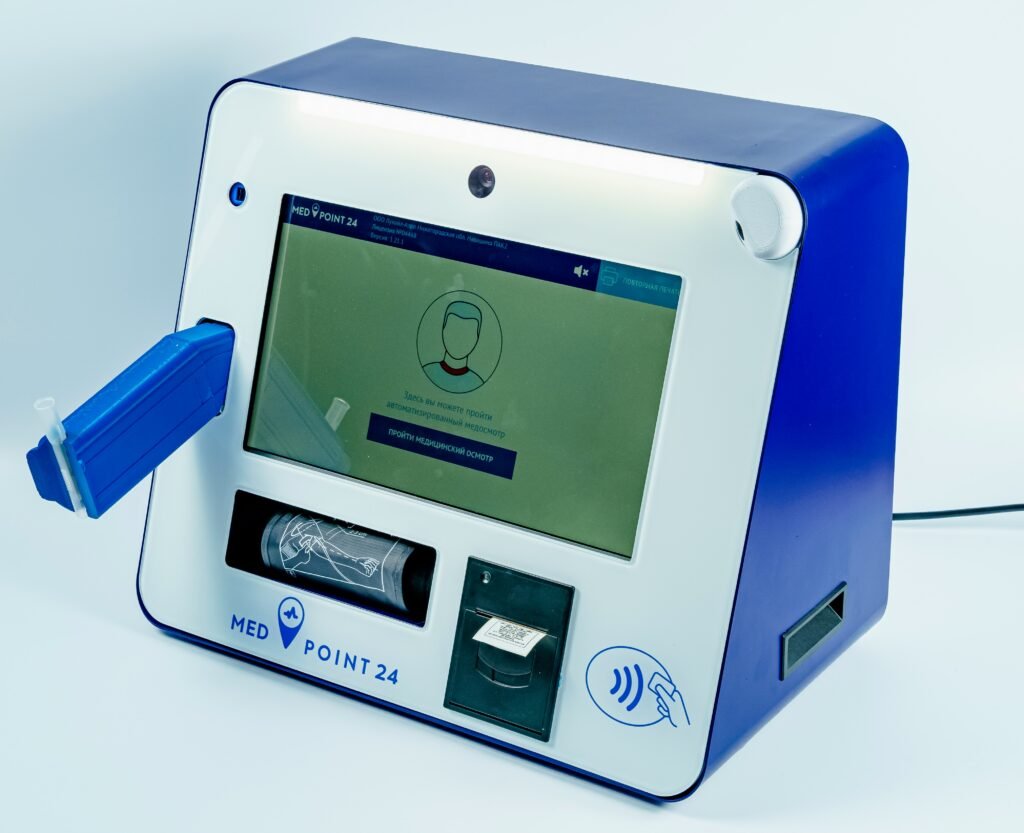
As the world increasingly embraces the integration of biometric technology into airports, the future of international travel appears to be on a transformative path. Biometric identification processes, such as facial recognition, fingerprint scanning, and iris detection, promise to streamline the travel experience by reducing wait times and enhancing security measures. This innovative approach holds the potential to significantly enhance efficiency at border control, customs, and check-in procedures, leading to a smoother and faster travel journey for passengers.
However, the introduction of biometric systems also brings forth several challenges, particularly regarding privacy concerns. Passengers are becoming more vigilant about how their biometric data is collected, stored, and used. The use of facial recognition technology, for instance, has raised significant questions surrounding consent and the potential for misuse of personal data. Furthermore, the risk of data breaches or unauthorized access to biometric databases could have severe repercussions for travelers and airlines alike.
Another essential aspect is the regulatory landscape governing biometric data. As airports around the world adopt these technologies, there is a growing need for standardized regulations that protect passenger privacy while ensuring rigorous security protocols. Policymakers must work diligently to establish a legal framework that addresses the ethical implications of biometric data collection and usage. This framework should prioritize transparency, user consent, and accountability in the handling of sensitive information.
Looking ahead, the passenger experience is likely to evolve significantly over the next decade as airports continue to modernize and integrate biometric solutions. Enhanced personalization may arise from analyzing travel patterns and preferences, offering tailored services and improved experiences. Ultimately, the successful implementation of biometric technology in international travel hinges on a balanced approach that encompasses innovation, passenger privacy, and robust regulations.