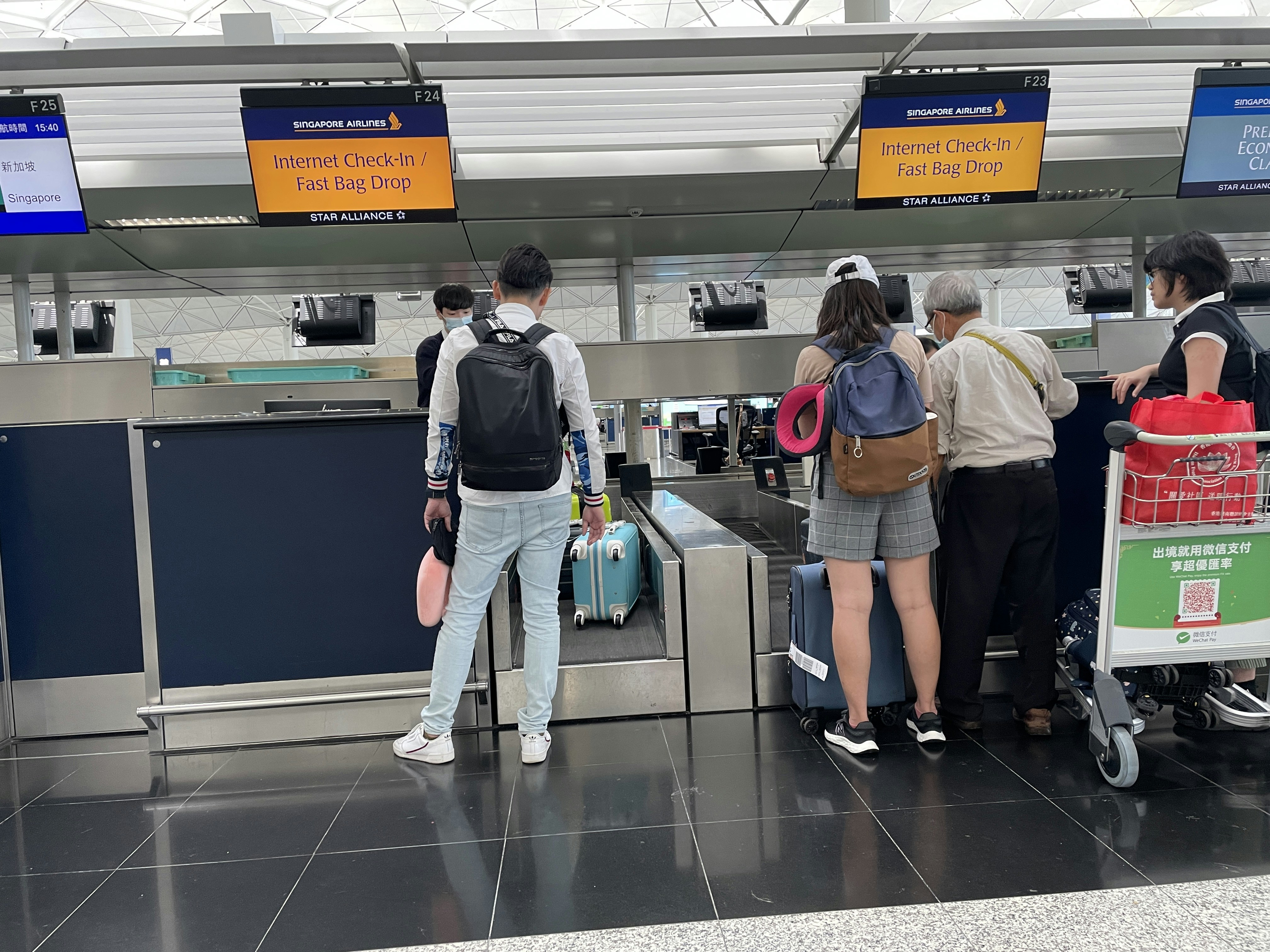
The Impact of Middle Eastern Conflicts on Global Air Travel and What to Expect in April 2026

The ongoing conflicts in the Middle East have far-reaching consequences on global air travel, particularly affecting major hubs such as Dubai, Doha, and Abu Dhabi. These cities, known for their strategic geographical locations and modern airports, often become focal points during periods of geopolitical instability. Recent escalations in tensions can lead to significant airspace closures as governments impose restrictions to ensure the safety of their national airspace, forcing airlines to adapt quickly to these new realities.
Airlines are often unable to fly over certain conflict zones, which can result in substantial flight cancellations and the rerouting of international flights. For instance, when airspace over countries embroiled in conflict is deemed unsafe, airlines are compelled to adjust their operational strategies, which may include longer flight times and increased fuel costs. As a result, travelers may face higher ticket prices and longer travel durations due to the necessity of alternative routes.
Government travel advisories play a crucial role in shaping the decisions of travelers and airlines alike. Many countries, including the United States and various European nations, frequently update their travel advisories to reflect the conditions in the Middle East. These advisories inform travelers about potential risks and encourage them to reconsider or postpone travel plans to affected regions. As a direct consequence, there are fluctuations in passenger volumes, leading airlines to reassess their schedules and capacities in the region.
The global air travel landscape is thus profoundly impacted by Middle Eastern conflicts, as routes are reconfigured and travel patterns shift in response to security concerns. Ultimately, the intricate dynamics between geopolitical events and air travel emphasize the need for travelers to stay informed and adaptable in the face of ongoing uncertainty.
Emerging Challenges: Fuel Supply and Airport Security
The landscape of international travel continues to evolve amid ongoing global challenges, particularly concerning fuel supply and airport security protocols. April 2026 is anticipated to witness significant disruptions in fuel availability, directly impacting flight operations worldwide. This issue predominantly arises from geopolitical tensions and fluctuating demand patterns. As airlines grapple with inconsistent fuel access, travelers may experience flight cancellations, delays, or route adjustments, underscoring the necessity for flexibility in travel plans.
In addition to fuel supply issues, heightened security measures have become a staple of airport experiences. Authorities are increasingly vigilant about potential threats, leading to the implementation of stricter screening procedures. These protocols can vary from airport to airport, potentially resulting in longer wait times for travelers. For instance, the transport of certain electronic devices, particularly power banks, may face new restrictions, necessitating advance preparation on the part of passengers. Travelers should remain informed not only about which items are permitted onboard but also about the specifics of their destination’s regulations.
Furthermore, travelers should be aware that security personnel may conduct more extensive checks, including additional documentation verification and enhanced scrutiny of personal items. This calls for travelers to arrive at airports well in advance, allowing adequate time to navigate potential delays at security checkpoints. As the international travel landscape adapts to these emerging challenges, understanding the intricacies of fuel supply and enhanced airport security measures will be vital in ensuring smooth travel experiences in April 2026.
Navigating New Regulations: The Entry/Exit System in Europe

As global travel patterns evolve, the introduction of mandatory regulations plays a crucial role in ensuring security and managing the flow of travelers. In April 2026, the European Union will implement the Entry/Exit System (EES), a comprehensive framework aimed at streamlining border management within Eurozone countries. This system will affect travelers crossing European borders, necessitating adjustments to travel plans and preparations.
The EES will primarily collect data from non-EU travelers, capturing information such as the traveler’s name, nationality, type of travel document, and biometric data like fingerprints and photographs. The implementation of these measures is intended to enhance security, reduce illegal immigration, and facilitate the processing of travelers at border checkpoints. Additionally, the EES aims to allow authorities to track the duration of stays by visitors, ensuring compliance with visa regulations.
Travelers should prepare for the changes by ensuring their travel documents are valid and obtaining any necessary visas well in advance. It is crucial to familiarize oneself with the specific requirements of the relevant EES regulations, which may differ across member states. This includes understanding the collection of biometric data, which will take place at designated entry points. By being part of the EES, travelers can expect a simplified and more efficient border crossing experience, provided they comply with the new guidelines.
As this system is put in place, it is advisable for travelers to stay informed about updates from official European Union communications. Proper preparation will minimize potential inconveniences while navigating international travel within Europe, ensuring a smoother journey across varied borders. Embracing these regulations is key to enjoying the benefits associated with enhanced safety and efficiency in travel operations.
Planning Ahead: Tips for Travelers Amid Disruptions
Traveling internationally can be an exciting experience, but the unpredictability of current global events requires travelers to be particularly diligent in their preparations. To navigate this uncertain landscape effectively, it is recommended that travelers remain informed and exercise situational awareness. Staying updated with real-time information regarding flight schedules, weather conditions, and any potential disruptions is crucial. Therefore, it is wise to consult multiple sources, including airlines and government advisories, to verify the status of travel plans before departing.
Moreover, confirming flight details at least 48 hours in advance is essential. This proactive measure can alleviate some of the stress associated with last-minute cancellations or changes. Airline policies may permit notifications via email or through mobile apps, allowing travelers to receive timely updates directly. Additionally, familiarizing oneself with the standard operating procedures of airlines in the event of delays or cancellations can provide reassurance.
In light of the impact of environmental factors, such as the recent ex-tropical cyclone Vaianu, having a thorough ‘plan B’ is advisable. This plan might involve identifying alternative routes or destinations. For example, if the primary airline is affected, knowing which other carriers service the same route can save valuable time. Furthermore, booking accommodations with flexible cancellation policies can provide peace of mind, allowing travelers to adjust plans without incurring significant penalties.
Ultimately, the key to a successful travel experience during uncertain times lies in detailed planning and preparedness. By following these tips and maintaining a flexible mindset, travelers can mitigate risks and enhance their overall peace of mind while navigating the complexities of international travel.