Understanding the Current Landscape of Middle East Air Travel and a guide for savvy travellers
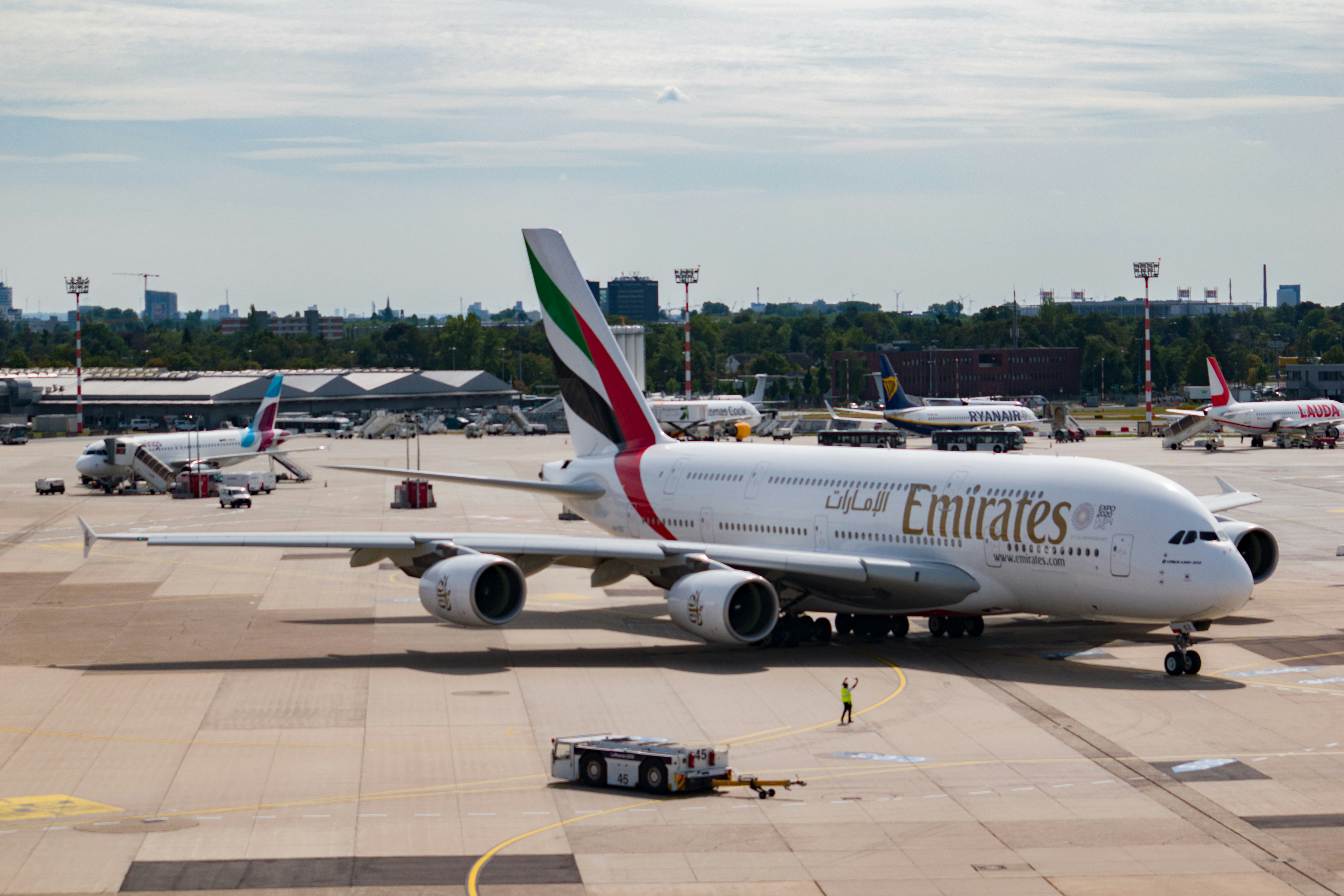
As of 2026, the air travel landscape in the Middle East is characterized by significant growth and operational challenges. Major air travel hubs such as Dubai and Doha continue to dominate the sector, facilitating a large volume of international traffic. Dubai International Airport, renowned for its efficiency and connectivity, remains a leading gateway for travelers between Asia, Europe, and the Americas. Similarly, Hamad International Airport in Doha has risen in prominence, serving as a critical juncture for flights traveling in and out of the region.
However, this booming air travel environment is not without its complexities. Regional volatility, including geopolitical tensions and security concerns, significantly impacts air routes and schedules. For instance, a conflict or diplomatic standoff can prompt airlines to alter their flight paths or even suspend services entirely, causing disruptions and affecting travel plans for passengers. Furthermore, airspace closures may arise due to military activities or emergency situations, which can lead to substantial detours and increased travel times.
Travelers are advised to remain informed about the latest advisories issued by governments, particularly organizations such as Australia’s Smartraveller. These advisories provide essential insights into the safety and security conditions of a destination, enabling individuals to make educated decisions when planning their itineraries. Awareness of current conditions is vital, as it can influence not only flight availability but also overall travel safety. As the Middle East navigates its current landscape, preparation and knowledge remain key components for savvy travelers looking to transit through this dynamic region.
Choosing Alternative Hubs: A Safer Approach
As global travel continues to evolve, an observable trend has emerged among savvy travellers seeking alternative layover locations. Instead of relying solely on traditional Middle Eastern hubs such as Dubai or Doha, many are now considering other vibrant cities like Istanbul, Singapore, and Bangkok as viable options for breaks between long-haul flights. This shift is primarily motivated by safety concerns, convenience, and the potential for enriching travel experiences.
Istanbul, Turkey’s cultural and historical gem, offers a strategic layover option between Europe and Asia. Travellers can enjoy a rich blend of Eastern and Western influences while exploring its historic sites for an extended layover. The city is well-connected, with frequent flights to various global destinations, making it an attractive alternative for those looking to avoid traditional hubs while still experiencing a warm welcome.
Singapore, renowned for its efficiency and safety, stands out as another excellent alternative. The Changi Airport is frequently lauded as one of the best in the world, offering seamless transit experiences and extensive amenities. Passengers can take advantage of short tours of the city’s iconic attractions or even indulge in local culinary delights during their layovers, adding a layer of enjoyment to their journey.
Bangkok is yet another compelling choice, particularly for travellers heading to Australia or Southeast Asia. Its bustling atmosphere and vibrant culture provide a captivating backdrop during layovers. The Suvarnabhumi Airport’s accessibility to the city centre allows for easy exploration, allowing passengers to make the most of their stopover.
However, opting for these alternative hubs does come with its challenges. Each city has its own visa regulations and entry requirements that could complicate spontaneous travel plans. Moreover, longer layover times might increase the risk of potential delays due to connection changes. Therefore, assessing the advantages and disadvantages of these alternative hubs is essential for informed decision-making.
Booking Strategies: Safety and Flexibility
Navigating air travel, especially in regions like the Middle East, requires a careful approach due to ongoing geopolitical volatility. When planning your itinerary and booking flights in this area, it is crucial to stay informed about current airspace risks. Regularly consulting reliable airspace risk summaries and monitoring government travel alerts will provide the necessary insights into the safest and most secure routes available. Many governments, including the United States and those in Europe, routinely issue travel advisories, which offer valuable information regarding local conditions and potential hazards.
In addition to staying informed, consider the importance of purchasing refundable fares. While these tickets may have a higher upfront cost, they afford travellers the necessary flexibility to adapt their plans in response to sudden changes in the situation. In a challenging travel environment, the ability to rebook or cancel a flight can alleviate considerable stress. Opting for airlines that provide a clear and customer-friendly cancellation policy can further enhance peace of mind while travelling in a region that may experience abrupt fluctuations.
Alongside refundable tickets, investing in comprehensive travel insurance is a prudent strategy. Travel insurance can cover unforeseen events, including cancellations or interruptions due to political instability or natural disasters. Be sure to examine policies closely for coverage specifics related to travel disruptions in high-risk areas.
Ultimately, savvy travellers should prioritize options that allow for changes in their travel plans. By choosing airlines with robust customer service and flexible booking policies, travellers can navigate through uncertainties with greater assurance and security. Preparing for the unexpected through informed bookings will ensure a smoother journey through the Middle East, allowing the focus to remain on the destination rather than potential travel disruptions.
Expecting Flight Delays: Planning for Longer Travel Times
As we navigate the complexities of air travel in the Middle East, it is imperative to acknowledge the potential for extended flight delays. Rerouting around conflict zones has become a necessary adaptation, leading to longer travel times for many intercontinental journeys. These adjustments can result in increase in flight durations ranging anywhere from 1.5 hours to as much as 12 hours. For savvy travelers, understanding how to prepare for these delays is crucial in order to leverage time effectively and maintain comfort during extended layovers.
Initially, it is advisable to research current events and conflicts near your intended flight path. Airlines often release information about potential delays or changes in routing based on geopolitical conditions. Staying updated through airline notifications and news outlets can provide early warnings about potential travel disruptions. This proactive approach also allows travelers to adjust their itineraries and avoid adding unnecessary hours to their journey.
Should a delay occur, optimizing the layover experience becomes essential. One effective strategy is to choose airports that provide ample amenities and facilities for long waits. Many major airports in the Middle East offer lounges, sleeping pods, and dining options that cater to extended layovers. Utilizing these facilities can help maintain comfort levels, allowing travelers to rest or recharge before continuing their journey.
Furthermore, consider planning activities or exploring nearby areas if your layover is particularly long. This way, instead of viewing the delay as a setback, it can be transformed into an opportunity to experience another location. Whether it be sampling local cuisine or visiting nearby attractions, embracing the unexpected can make the journey more enjoyable.
In conclusion, effectively managing potential flight delays during Middle East layovers in 2026 requires informed preparation and an adaptable mindset. By anticipating longer travel times and exploring various strategies to enhance the layover experience, travelers can transform potential inconveniences into memorable aspects of their journey.