The Evolution of the Gulf Corridor
The Gulf Corridor has transformed the landscape of global aviation, particularly since the early 2000s. This region, primarily consisting of hubs such as Dubai and Doha, emerged as pivotal nodes connecting Europe and Asia, thereby redefining long-haul travel. The strategic geographical position of the Gulf states, combined with substantial investments in infrastructure and an expanding fleet of modern aircraft, played an instrumental role in this evolution.
Dubai International Airport and Hamad International Airport in Doha symbolize the commercial aviation renaissance in the Gulf. Both airports have implemented state-of-the-art facilities, providing travelers with high levels of comfort and efficiency. The rise of Emirates and Qatar Airways marked the onset of a competitive environment among airlines, characterized by expansive route networks and attractive pricing strategies. These carriers have positioned themselves as leaders in service quality, catering to a rapidly growing market of international travelers.
The infrastructure developments did not stop at airports; they extended to the establishment of comprehensive air traffic management systems, which facilitated smoother transitions for flights and management of airspace. Such measures have expedited the movement of passengers and cargo, reinforcing the Gulf Corridor’s role as a key facilitator of global trade.
However, recent geopolitical developments and economic shifts have begun to affect this corridor. The increasing complexities of international relations and the emergence of new travel regulations have posed challenges, leading to an unforeseen decline in traffic through these once-thriving hubs. This change sets the stage for an in-depth analysis of the current dynamics within the aviation industry and the implications of potential future scenarios.
Rerouting Flights: The Impact on Travel Times and Costs
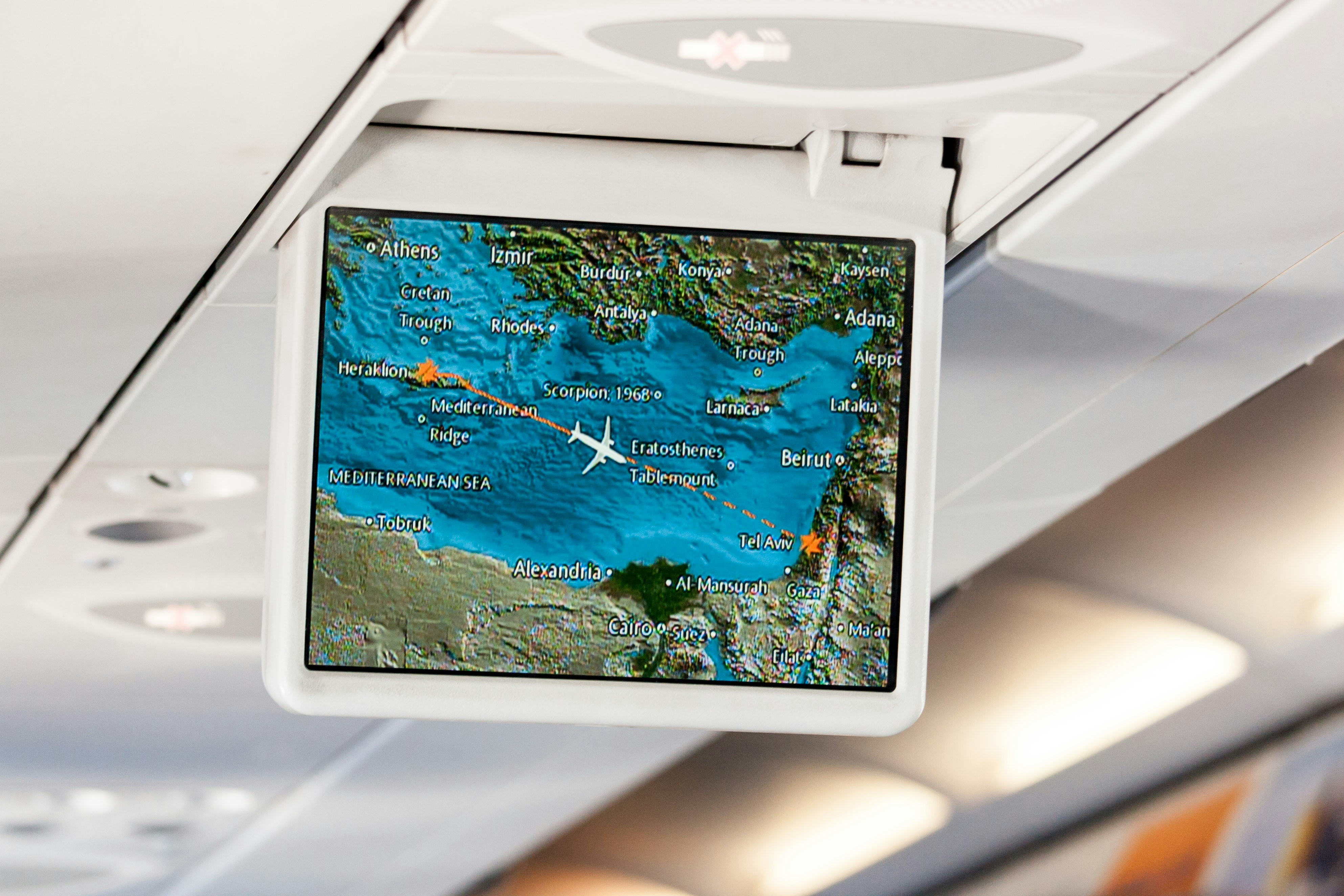
The recent conflict in the Middle East has profoundly altered the landscape of global aviation, prompting airlines to adapt to new realities by rerouting flights. These unexpected changes in flight paths have resulted in significant increases in travel times. In some cases, passengers may experience delays averaging up to 12 hours, a stark contrast to established travel schedules.
This rerouting necessitates unscheduled fuel stops along the way, creating further complexities in flight management. Airlines must now contend with the logistics of refueling, not only extending the duration of flights but also contributing to operational inefficiencies. The requirement for more frequent stops can complicate the journey for travelers, extending layover times and affecting overall travel plans.
Moreover, the economic ramifications of these modifications are considerable. As airlines adjust to new flight patterns necessitated by safety concerns, ticket prices have surged. Flyers are already feeling the financial impact, as fare increases become a common phenomenon in the market. This is particularly concerning for business travellers, who rely on punctuality and cost-effective routes to maintain productivity.
The surge in prices is likely attributed to the heightened operational costs incurred by airlines, which must balance safety concerns against profitability. These economic dynamics not only affect individual travelers but also have broader implications for businesses dependent on air travel. Increased travel expenses can impact company budgets and influence travel policies, as firms navigate the changing landscape of aviation costs in the wake of the conflict.
In this new reality, both travelers and businesses must adjust to an evolving world of air travel, where flight rerouting and cost adjustments have become the norm, reflecting the intricate interconnectedness of global aviation and geopolitical stability.
Emergence of New Hubs and the Strain on Existing Ones
The ongoing geopolitical shifts in the Middle East have significantly impacted global aviation dynamics, resulting in the emergence of Istanbul as a crucial hub for international flights connecting Europe and Asia. The city’s strategic location, complemented by its rapid infrastructure development, positions it as a primary gateway for air travel across these continents. As traditional hubs, such as Dubai and Doha, face service suspensions due to the conflict, travelers and airlines alike are increasingly channeling their operations through Istanbul.
However, with the growing popularity of Istanbul as a transit point, the airport is grappling with significant challenges, primarily stemming from congestion and the mounting demand for aviation services. The substantial influx of air traffic has strained airport facilities, leading to longer wait times, security concerns, and operational inefficiencies. Airlines must adapt to these new dynamics, which not only encompass increased passenger volumes but also require adjustments in scheduling and service offerings.
As the demand for air travel continues to rise amidst these changes, airports in Istanbul are urged to expand their capacity and enhance service quality. They must confront logistical challenges, including limited runway availability and bottleneck situations during peak travel times. These operational hurdles necessitate a collaborative effort between the airport authorities and airlines, as they work towards optimizing existing infrastructure while ensuring the seamless flow of air traffic.
The rivalry for market share among airports in the region is intensifying. As carriers seek alternative hubs amid service suspensions in places like Dubai and Doha, the competitive landscape of the Middle East’s aviation sector is on the brink of transformation. The reshaping of this competitive airport dynamic is essential for the sustainability and growth of the air travel market, demanding adaptive strategies from both new and existing hubs to effectively cater to evolving aviation needs.
Safety, Security, and the Future of Air Travel
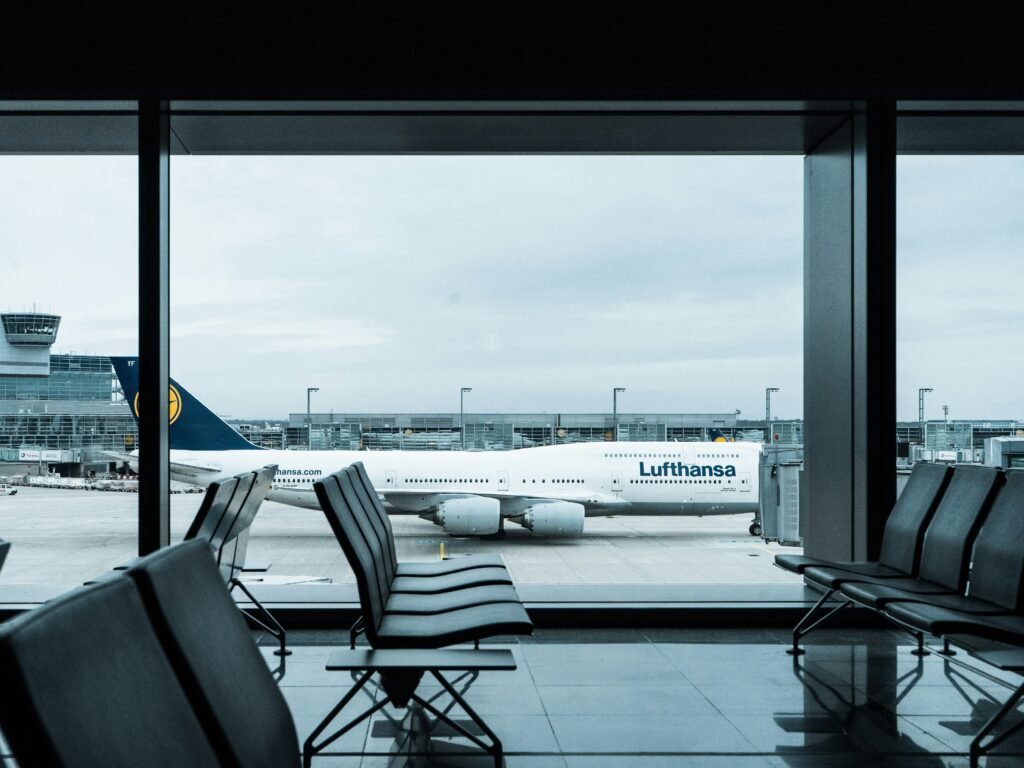
The recent escalation of conflict in the Middle East has profoundly affected global aviation, leading to an increased focus on safety and security in the industry. Airlines, including major carriers such as Lufthansa and Emirates, are reassessing their operational strategies, placing heightened emphasis on safeguarding passengers and crew as their top priority. This shift is not merely tactical; it is reshaping the very landscape of air travel.
As geopolitical tensions rise, the implications for air travel are significant. The response from airlines has been to scale back connectivity and reduce flight schedules, all in an effort to maintain the safety of their operations. This adjustment is multifaceted—ranging from altering flight paths to implementing more stringent safety protocols at airports. Such changes may lead to longer travel times and reduced frequency of flights, which could challenge the way passengers view air travel.
The future of air travel hinges on several critical factors—airline policies, traveller behaviour, and ongoing geopolitical influences. Airlines may adopt more conservative approaches, focusing on safety metrics that go beyond conventional measures. For travelers, the experiences of security and safety may become paramount, possibly influencing decisions when choosing airlines or destinations. As a result, we may witness a long-term shift in passenger priorities, favoring safety over convenience, particularly in regions affected by instability.
In a more interconnected world, the ramifications of these developments are global. The aviation industry may face prolonged uncertainty as airlines navigate the delicate balance of ensuring security while striving for operational viability. These evolving dynamics will likely lead to innovations in safety and security protocols, shaping an industry already marked by its resilience.