
Understanding the Fuel Price Crisis of april 2026

In April 2026, the world witnessed a significant spike in fuel prices that has raised alarm within multiple sectors, particularly transportation. The surge in petrol and diesel costs can be attributed to a multitude of factors, with geopolitical tensions being at the forefront. A significant contributor to this crisis has been the instability in the Strait of Hormuz, a crucial artery for global oil transportation. Disruptions to the flow of oil through this region have escalated concerns regarding supply shortages, thereby causing oil prices to fluctuate dramatically.
Furthermore, several countries have experienced knock-on effects from these price increases, leading to a ripple effect across the transport sector. Taxi operations in countries like Australia and the UK have been particularly affected, as drivers grapple with rising fuel costs that directly impact their operational expenses. The increase in fuel prices has forced many taxi companies to reconsider their pricing strategies to maintain profitability while remaining competitive in a challenging market.
Additionally, the fuel price crisis has exposed vulnerabilities within various regional economies. Countries heavily reliant on oil imports have faced significant inflationary pressures, affecting consumers’ disposable income and overall economic stability. In Australia, for instance, reports have indicated that the rise in fuel prices has not only burdened taxi drivers but has also led to higher fares, further straining the wallets of everyday commuters. Similarly, in the UK, taxi operators have raised concerns over their ability to sustain operations amid these escalating costs.
The global fuel price crisis of April 2026 therefore poses substantial challenges for the transportation sector. Taxi drivers and operators must navigate these adverse conditions while finding ways to adapt to the evolving economic landscape. The ongoing analysis of this crisis remains crucial for understanding its implications for future transportation policies and practices worldwide.
Impact on Taxi Operators and Fare Structures
The rise in fuel prices has significantly impacted taxi operators worldwide, prompting them to reevaluate fare structures to remain profitable while supporting their drivers. In Australia, for instance, 13cabs has responded to the crisis by restructuring fare splits. Historically, a larger percentage of fare revenue would go towards the taxi operators, leaving drivers with a smaller portion of the income. However, with fuel costs steeply climbing, 13cabs has adjusted this model, allowing drivers to retain a more considerable share of fares. This initiative aims to alleviate the financial strain on drivers who are directly impacted by rising operational expenses.
In the UK, the situation is equally pressing as taxi services grapple with the unrelenting surge in fuel costs. Reports from BBC have illustrated that taxi drivers are navigating through a challenging landscape marked by increased costs of vehicle maintenance, insurance, and other related expenses. Consequently, many drivers have expressed discontent regarding their earnings, which do not reflect the inflation in operational costs. Some operators have responded by introducing temporary surcharge measures during peak times or when fuel prices reach specific thresholds. These measures aim to ensure that drivers can cover their fuel expenses while still providing essential transportation services to the public.
Moreover, the crisis has driven a broader discussion about the sustainability of taxi operations in an environment marked by fluctuating fuel prices. As a result, taxi operators are seeking innovative solutions to maintain service quality while managing costs effectively. Strategies may include diversifying their fleet with electric vehicles or exploring partnerships with ride-sharing services to adapt to changing market dynamics. The ongoing fuel price crisis necessitates that taxi operators remain agile, adjusting their fare structures and operational strategies to ensure they are equipped to weather these financial challenges.
Proposed Fare Hikes and Local Responses
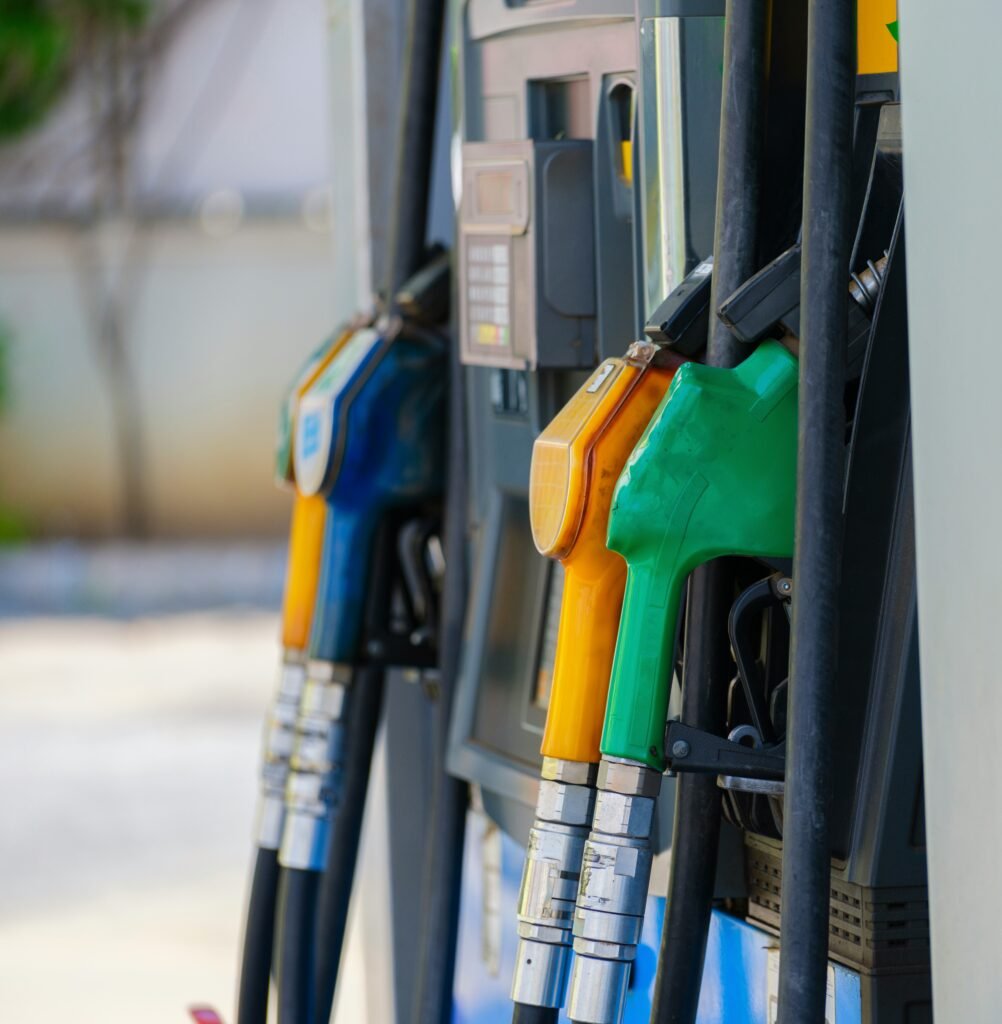
In response to the escalating costs brought about by the fuel price crisis of April 2026, various local councils worldwide are deliberating significant fare hikes aimed at sustaining the viability of the taxi industry. This development is particularly pronounced in regions like North Devon, where the local authority is proposing a substantial increase in taxi rates to counterbalance the financial pressures faced by drivers and operators.
Taxi services have long been an essential mode of transportation in urban and rural areas alike. However, the surging fuel prices are compelling local councils to review existing fare structures. In North Devon, for example, council members are weighing options that could see taxi fares increase by as much as 20%. Such measures are deemed necessary to prevent widespread service disruptions that could arise from continuing economic strain on operators. Proponents of fare hikes argue that without these adjustments, many drivers may be forced to abandon their professions, thus limiting transportation options for residents.
Conversely, local authorities also face the challenge of ensuring that any fare increases do not render taxi services unaffordable for average consumers. Maintaining a balance is crucial as local economies rely on accessible transportation. The council in North Devon has initiated public consultations to gauge community sentiment on proposed fare adjustments. This approach is intended to ensure that changes are equitable and considerate of public needs while also securing the operators’ financial sustainability. As discussions unfold, it becomes increasingly essential for councils to carefully navigate the delicate relationship between enhancing taxi fares and ensuring continued access to transport services for their constituents.
The Sustainability Dilemma for Taxi Drivers
The ongoing fuel price crisis has significantly impacted the taxi industry, presenting taxi drivers with a pressing sustainability dilemma. With surging fuel costs, many drivers find themselves grappling with reduced profit margins, thereby questioning the viability of remaining in the profession. The increased operational costs, coupled with stagnant fare rates, have forced many to reconsider their future in this essential transportation sector.
Taxi drivers serve a crucial role in urban mobility, offering an accessible mode of transport for a diverse range of commuters. However, as the economic pressures mount, there is growing concern among drivers about their ability to sustain their livelihoods. Some are voicing fears that without necessary adjustments to fare structures, they may be compelled to exit the industry altogether. This potential exodus of drivers could lead to a significant reduction in the availability of public transport services, adversely affecting urban communities that rely on taxis for daily commuting.
The sustainability of the taxi industry is not just a matter of economics; it intertwines with environmental considerations as well. Many drivers are motivated to adopt greener alternatives, such as electric vehicles, but the prohibitive upfront costs and lack of adequate charging infrastructure often stand in their way. Furthermore, the rising prices of vehicle maintenance linked to fuel efficiency can deter drivers from making sustainable changes to their fleets.
The current situation calls for a collaborative approach between taxi associations, policymakers, and drivers. Implementing a fare structure that reflects the realities of fuel prices is imperative to retain drivers within the industry. Additionally, incentivizing the transition towards environmentally friendly vehicles could not only alleviate some financial burdens but also encourage sustainable practices among drivers. Addressing these concerns is crucial, as the future of urban mobility hinges on the stability and sustainability of the taxi industry.