Overview of the Global Aviation Crisis
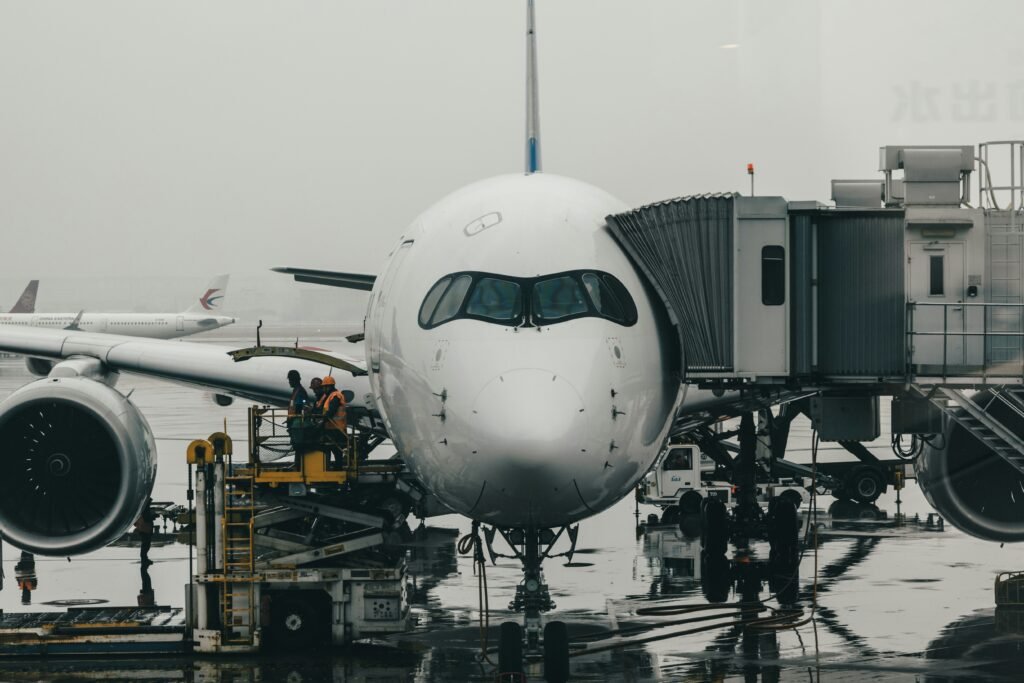
The global aviation crisis that emerged on April 15, 2026, stands as one of the most significant disruptions the airline industry has ever faced. Multiple interrelated factors contributed to this crisis, resulting in massive flight cancellations and unprecedented delays impacting millions of travelers worldwide. One of the primary causes of this situation was escalating geopolitical conflicts that disrupted air travel routes, particularly in conflict-prone regions. These conflicts prompted a series of airspace restrictions, forcing airlines to adjust their operational strategies significantly.
In addition to geopolitical tensions, extreme weather events played a crucial role in exacerbating the crisis. Unpredictable weather patterns, including severe storms and unexpected hurricanes, resulted in numerous groundings and delays at major airports. These adverse weather conditions compounded the already existing challenges, leading to a ripple effect that affected not only individual flights but also entire networks across cities and countries.
Furthermore, the aviation industry has been grappling with staffing shortages stemming from the aftermath of the Covid-19 pandemic, which had already created waves of instability in the sector. As airlines began to recover and resume operations, they struggled to hire and train sufficient personnel, including pilots, flight attendants, and ground staff. This decline in manpower meant that airlines could not manage the increased demand for travel during peak seasons, thereby exacerbating operational delays.
These factors combined to create a perfect storm that culminated on April 15, 2026, leading to widespread chaos throughout the aviation landscape. Travelers found themselves stranded in unfamiliar airports, frustrated and overwhelmed by a system that had seemingly collapsed under the pressure of unprecedented challenges. The crisis has raised essential questions regarding the resilience of the global aviation infrastructure and its ability to cope with occurrences of this magnitude in the future.
Flight Disruptions on April 14 and 15, 2026
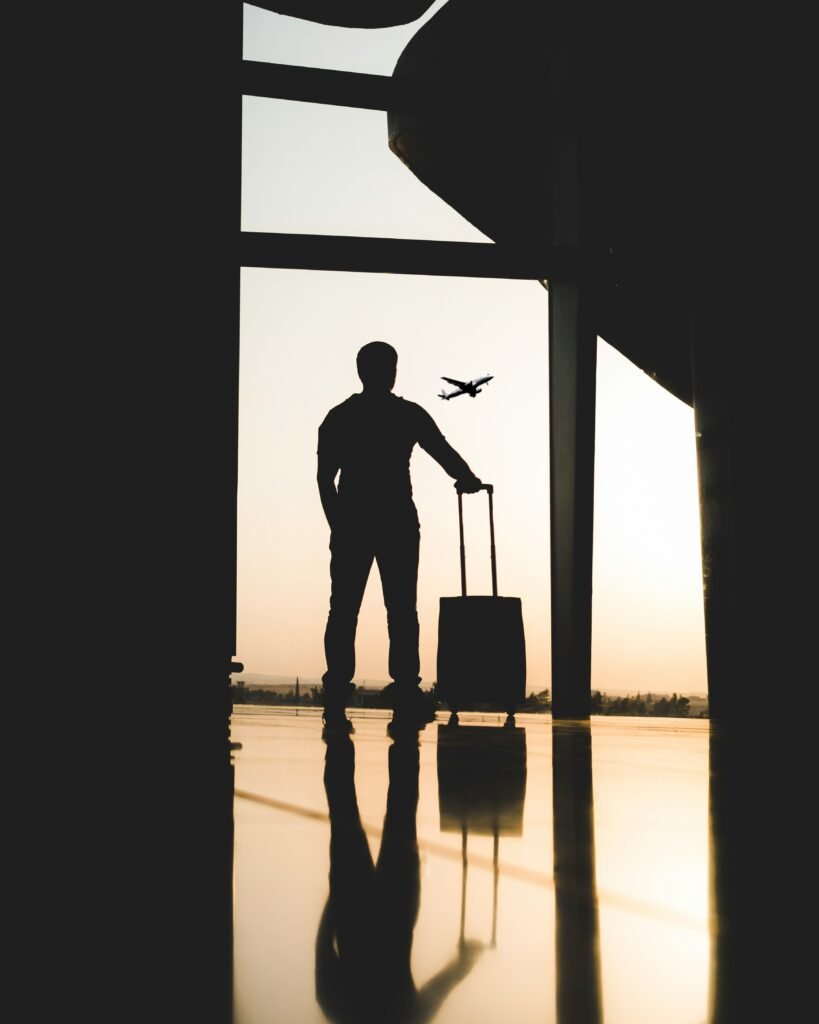
On April 14 and 15, 2026, the global aviation landscape was marked by unprecedented flight disruptions that affected air travel on a massive scale. In the United States alone, approximately 14,000 flights were either canceled or delayed, causing a ripple effect across numerous airports. The chaos stemmed from a confluence of severe weather conditions and technical malfunctions, which overwhelmed the air traffic control systems and airline operations. Passengers faced significant challenges as they dealt with long wait times, crowded terminals, and a lack of clear communication from airline representatives.
Internationally, the disruption was not limited to the U.S. In Australia, around 2,500 flights were affected, with major airports like Sydney and Melbourne reporting severe backlogs. Reports indicated that travelers had to contend with lengthy delays and cancellations, stranding many in foreign countries. Other regions, including Europe and Asia, also experienced notable disruptions, though the extent varied considerably. For example, major hubs in London and Frankfurt indicated cancellation rates reaching as high as 20% on specific routes.
Airlines struggled to manage the fallout effectively. Many were forced to accommodate stranded passengers, often leading to overcrowding in airport hotels and difficulties in rebooking flights. Tensions escalated as customers expressed frustration regarding the lack of timely updates on flight statuses and alternative arrangements. The effects of this crisis highlighted the vulnerabilities within the aviation sector, particularly how operational hiccups can cascade into overwhelming challenges not just for airlines, but also for travelers reliant on air transport for their commitments.
Impact on Airlines and Passengers
The aviation crisis on April 15, 2026, had far-reaching consequences for both airlines and passengers, significantly disrupting an industry that plays a crucial role in the global economy. For airlines, the financial ramifications were immediate and severe. Many carriers faced substantial revenue losses due to an unprecedented number of cancellations and delays, which not only impacted current operations but also tarnished their reputations. The operational challenges stemming from shortage of staff further exacerbated this financial strain, as airlines scrambled to manage logistics amidst a chaotic environment.
Moreover, these operational hurdles were compounded by a labor force that had already been stretched thin in the years leading up to the crisis. Staffing shortages meant that many airlines were unable to provide adequate customer service, leading to longer wait times for rebooking flights and resolving issues. The emotional toll on passengers during this crisis was palpable, as countless travelers found themselves stranded in airports, unsure when or if they would be able to continue their journeys. Reports surfaced of families missing important events, business travelers losing lucrative deals, and vacationers having their plans abruptly altered.
Real-life testimonies from passengers caught in the turmoil of the April 2026 aviation crisis paint a vivid picture of the chaos. For instance, one traveler recounted her experience of arriving at the airport only to find her flight canceled, forcing her to sleep on the terminal floor after exhausting all options to rebook. Others shared frustrations on social media, highlighting their feelings of helplessness as they witnessed a systemic failure in a service that is typically relied upon for its efficiency. These accounts underscore the human impact of the crisis, serving as a reminder of the interconnectedness of airlines and the passengers who depend on them. The ongoing ramifications of this chaotic day continue to influence the industry as it seeks to rebuild trust and enhance resilience in future operations.
Steps Towards Recovery: Current Status and Future Outlook
As the global aviation sector navigates the aftermath of the crisis witnessed on April 15, 2026, several initiatives and strategies are being implemented to foster recovery and enhance future resilience. The aviation industry, significantly affected by travel restrictions and economic downturns, is gradually demonstrating signs of recovery, underscored by increased passenger volumes and air travel demand. By mid-April 2026, airlines have started to resume a larger portion of their operations, signaling a positive trend. Enhanced safety protocols have been introduced, ensuring passenger confidence and protection during travel.
One of the critical steps taken by industry stakeholders has been the acceleration of digital transformation. Airlines are adopting technology to streamline operations, including automated health checks and contactless boarding processes. Such measures not only improve efficiency but also address public health concerns, which are vital in restoring passenger trust and boosting air travel demand. Furthermore, collaborations within the industry are being encouraged, allowing airlines and airports to share resources and knowledge, which is pivotal for optimizing costs and improving service delivery.
Despite these advancements, ongoing challenges persist. Supply chain disruptions, staff shortages, and fluctuating fuel prices contribute to the uncertainty faced by the aviation sector. To mitigate these risks, a focus on resilience planning and infrastructure enhancements has emerged as a priority. Investments in sustainable aviation fuels and more efficient aircraft are gaining traction as part of a long-term strategy to create a more resilient aviation framework capable of withstanding similar crises in the future.
In conclusion, the recovery of the global aviation sector is a complex process characterized by gradual improvements and ongoing challenges. With strategic investments, digital initiatives, and collaborative efforts, the industry is not only working towards recovery but also rethinking its operational framework to ensure enhanced sustainability and adaptability amid future disruptions.