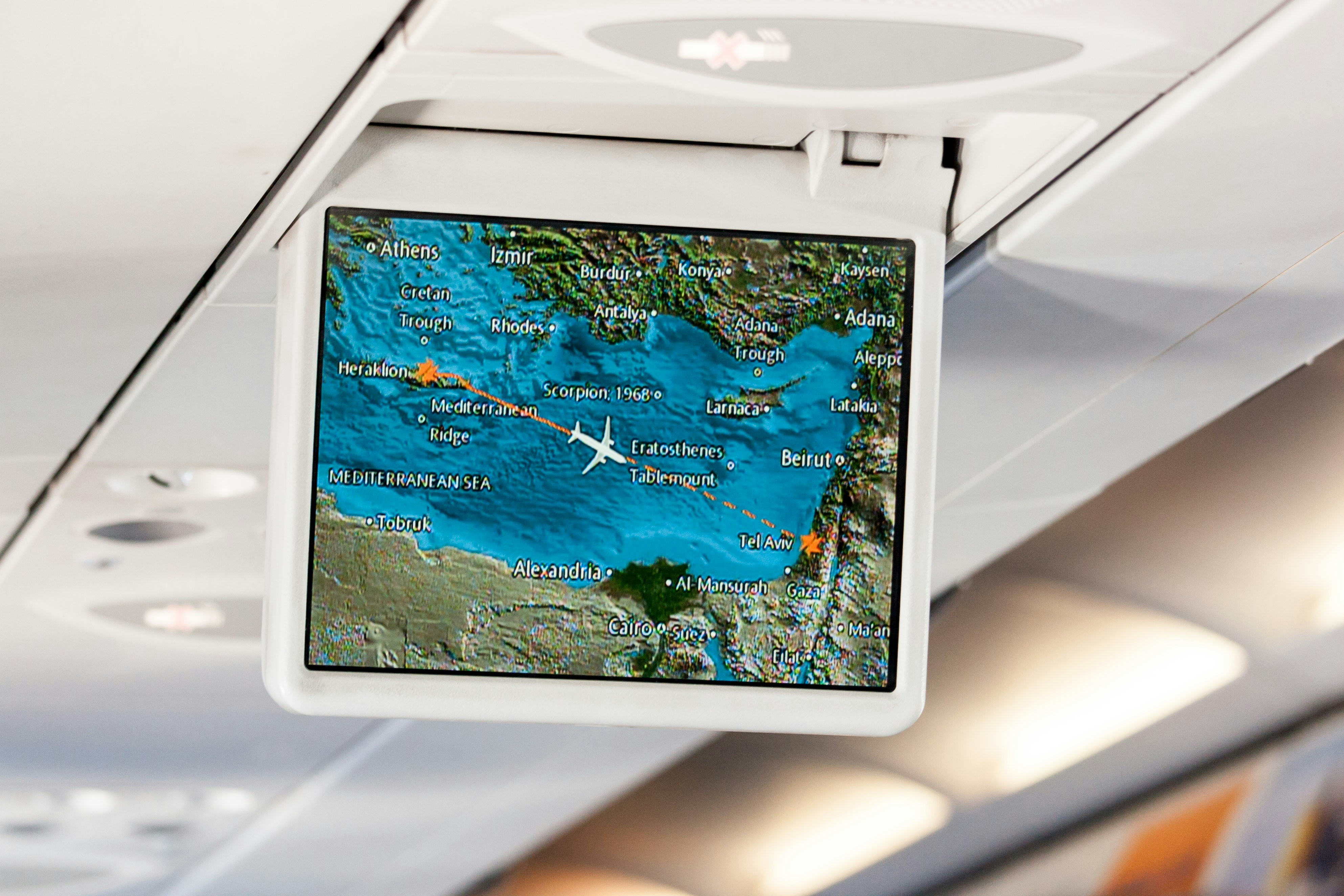
The Link Between Middle East Tensions and Airfare And UNDERSTANDING the rising airfare: global context
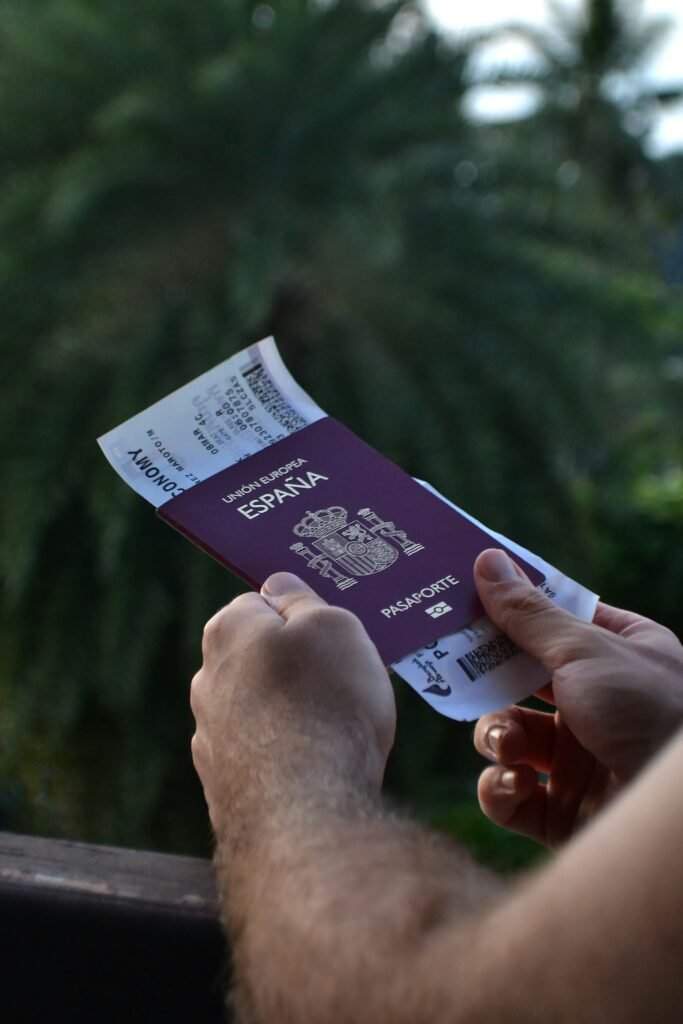
The landscape of airfare is influenced by a multitude of factors, which can shift dynamically based on market conditions and geopolitical events. Currently, airline ticket prices are experiencing notable fluctuations, with several elements contributing to this trend. One primary factor is the interplay between supply and demand; as travel restrictions ebb in post-pandemic recovery, a surge in consumer demand has been observed. Increased demand often outpaces supply, leading to elevated prices for passengers seeking flights.
Moreover, seasonal trends also play a crucial role in determining airfare costs. Peak travel seasons, such as summer and holiday periods, typically see higher prices due to increased competition for limited seating on flights. Airlines often adjust their pricing models in anticipation of these demand surges, consequently impacting the overall cost of airfare. However, in the context of rising prices, it is imperative to analyze the effect of external events, particularly geopolitical tensions.
The ongoing conflicts in the Middle East have profound ramifications on global travel. Such tensions can lead to heightened fuel prices, insurance costs, and operational challenges for airlines. For instance, carriers that operate routes in or near affected areas may incur additional security costs, which are inevitably passed on to consumers through increased airfare. Furthermore, instability in the region often prompts airlines to adjust their flight schedules or routes, resulting in fewer available flights and thus driving prices higher.
As this multifaceted scenario unfolds, travelers should remain acutely aware of how geopolitical dynamics and economic conditions interact in a global context. Understanding these influences enables consumers to navigate the complexities of modern airfare pricing with greater insight, particularly amid the turbulent backdrop of the Middle East tensions.
The Impact of Middle East Tensions on Fuel Costs
Geopolitical tensions in the Middle East frequently have significant implications for global fuel prices, a critical component in the operational costs for airlines. The region is known for being one of the world’s most significant oil-producing areas, and when conflicts arise—be it through wars, political unrest, or sanctions—supply disruptions can lead to considerable fluctuations in oil prices. Such fluctuations do not just impact the immediate market; they can create a ripple effect throughout the aviation industry.
When oil prices surge due to these tensions, airlines face increased operational expenses, which can ultimately lead to higher airfare for travelers. For example, if a conflict escalates in an oil-rich country, fear and uncertainty often drive speculation in the oil market, causing fuel prices to spike. Subsequently, airlines may be compelled to adjust their pricing strategies to maintain profitability, reflecting these higher fuel costs in ticket prices.
Moreover, the volatility in fuel prices is not merely a temporary phenomenon. Even after a conflict subsides, the lingering effects on supply chains can maintain elevated fuel prices for extended periods. Airlines, in such scenarios, cannot immediately revert to lower fares, as they need to stabilize their financial framework amidst fluctuating fuel costs. This cycle of rising operational costs and delayed fare adjustments can leave consumers facing increased flight prices long after the immediate geopolitical tensions have cooled.
This relationship illustrates that the cost of air travel is often indirectly influenced by international events that seem distant from the airport terminals. As tensions in the Middle East persist, the aviation sector remains susceptible to these fluctuations, ensuring that airfares continue to be impacted by the overarching global political landscape.
Operational Challenges: Rerouting and Increased Costs
The operation of commercial flights is a complex task that requires meticulous planning and coordination, especially in times of geopolitical tension. When conflicts arise in specific regions, airlines are often compelled to adjust their flight paths, prioritizing the safety of passengers and crew by rerouting flights away from hazardous airspaces. This necessity not only impacts operational efficiency but also introduces a range of additional costs that can ultimately influence airfare.
Rerouting flights requires airlines to consider various factors, including increased fuel consumption due to longer flight paths and the potential for additional crew hours. When aircraft are diverted from their original routes, fuel expenditures can surge significantly because longer distances translate to more fuel burned. Given that fuel is one of the largest operational expenses for airlines, these increased consumption rates can directly contribute to higher ticket prices.
Another critical aspect is the impact on crew schedules. Airlines typically operate within strict regulatory frameworks that limit the number of hours crew members can work in a given timeframe. Rerouting can unpredictably extend flight durations, necessitating additional crew hours and even the hiring of reserve staff to comply with regulations. This, once again, increases operational costs that airlines must pass on to consumers.
Maintenance costs also play a role in the economic calculus of rerouting. Aircraft that operate longer distances undergo more frequent inspections and maintenance checks, which can lead to elevated costs over time. Even the logistical aspects of positioning aircraft for alternate routes can strain airline budgets. All these operational challenges illustrate the intricate interplay between geopolitical events and airfare pricing, highlighting how international tensions can impact the financial landscape of air travel.
Tips for Travelers: Navigating the High Cost of Flights
The fluctuating nature of airfare can pose challenges for travelers, especially in light of recent geopolitical events affecting demand and pricing. To effectively manage the costs associated with your next flight, employ several key strategies that can significantly enhance your travel experience.
First and foremost, booking early is essential. Airlines often release their best fares several months in advance, and these prices tend to rise as the departure date approaches. By securing your tickets ahead of time, you can lock in more favorable rates. This preemptive approach can help to avoid the increased prices that may come as tensions in regions like the Middle East escalate.
Flexibility with your travel dates can also lead to substantial savings. If your itinerary allows, consider adjusting your departure or return dates. Traveling midweek or during off-peak seasons often results in lower airfare due to reduced demand. Additionally, using fare comparison websites can help identify which days offer the best prices for your intended journey.
Alternative airports may present another opportunity for cost savings. Major cities typically offer several airports, and sometimes flights from secondary airports are significantly cheaper. Check if your destination has nearby airports and assess whether flying into or out of these can positively impact your airfare.
Lastly, it is crucial to remain vigilant and monitor market fluctuations. Prices can change rapidly based on various factors, including shifts in the geopolitical landscape. Subscribing to fare alert services allows you to receive notifications of price drops and promotions, ensuring that you capitalize on the best deals.