Traveling is one of life’s greatest joys, but a little preparation goes a long way. Here are some essential travel tips for your next journey:
1. Pack Light and Smart
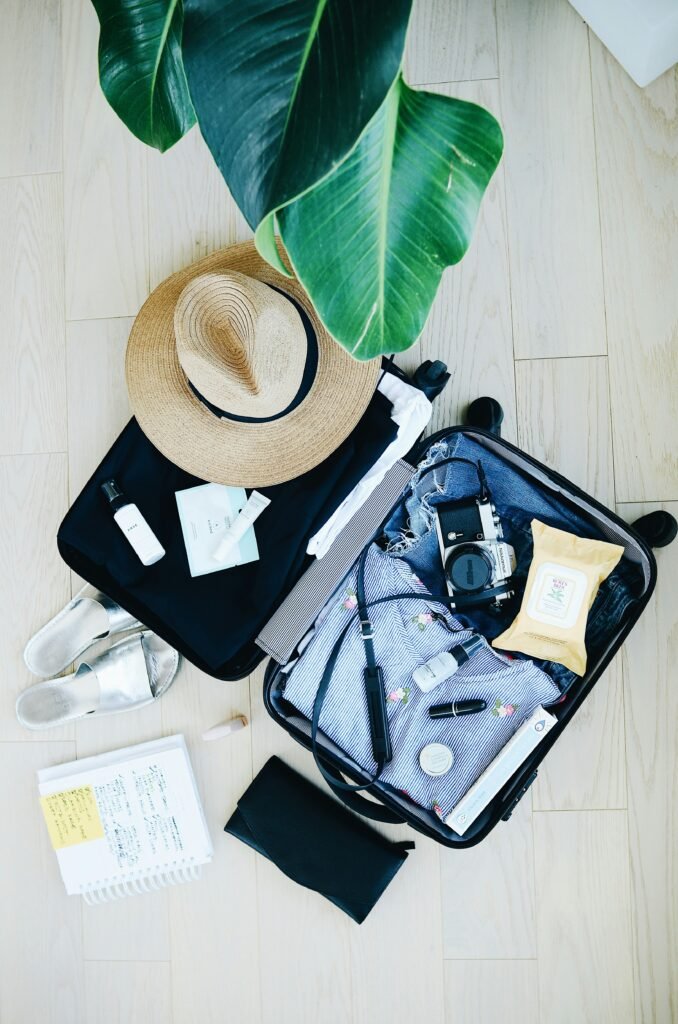
Stick to the essentials and choose versatile clothing. Remember, you can usually do laundry or buy what you forgot at your destination.
Embracing the “Pack Light and Smart” philosophy transforms travel from a logistical burden into a liberating experience. The secret lies in the “Rule of Three”: wear one, wash one, and dry one.
By selecting a cohesive color palette—think neutrals like navy, grey, or black—every item you pack can be mixed and matched, creating dozens of outfits from just a few key pieces. Priorities lightweight, moisture-wicking fabrics that resist wrinkles and dry quickly overnight in a hotel bathroom
Beyond clothing, smart packing involves scrutinising your “just in case” items. Most travellers overpack for scenarios that never happen. Instead of carrying a heavy pharmacy or a library of books, remember that most destinations have shops for toiletries, and digital devices can hold all your reading material. Utilize packing cubes to compress your gear and keep your bag organized; this not only saves space but also makes passing through security a breeze.
Ultimately, a lighter bag means more than just avoiding checked luggage fees. It provides the physical freedom to navigate cobblestone streets, crowded trains, and narrow staircases without exhaustion. When you carry less, you focus more on the journey and less on the baggage, proving that the best travel memories aren’t found in your suitcase, but in the experiences you’re free to pursue. Stick to the essentials and choose versatile clothing. Remember, you can usually do laundry or buy what you forgot at your destination.
2. Keep Digital Copies of Documents
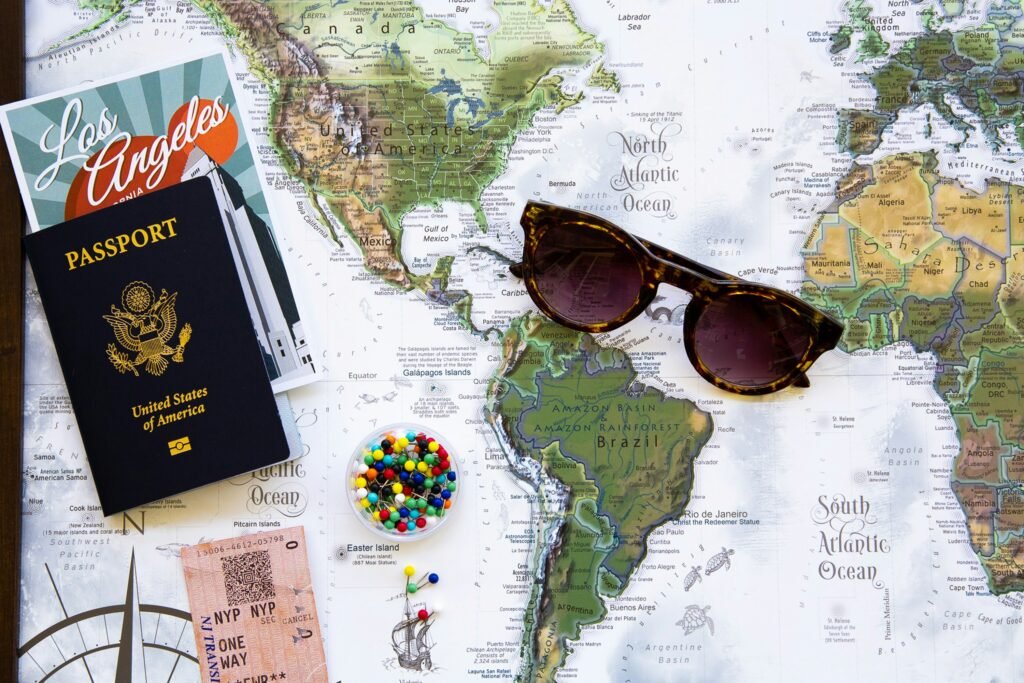
Scan your passport, insurance, and bookings. Store them in a secure cloud folder so you can access them even if you lose your physical copies. In the age of modern travel, carrying physical paperwork is not only cumbersome but also a significant security risk.
Transitioning to digital copies of your essential documents is one of the smartest moves any traveler can make. Before you head to the airport, ensure you have high-quality scans or clear photos of your passport, flight itineraries, hotel reservations, travel insurance policies, and vaccination records.
Storing these files securely is key. Use an encrypted cloud service like Google Drive, iCloud, or Dropbox, which allows you to access your data from any device with an internet connection. However, connectivity isn’t always guaranteed, especially in remote areas or during transit. For this reason, you should always keep an offline version saved directly on your smartphone or tablet.
Beyond convenience, digital documentation serves as a vital safety net. If your physical passport is lost or stolen, having a digital copy significantly accelerates the replacement process at a local embassy. It also eliminates the stress of digging through a cluttered bag for a printed booking confirmation at a busy check-in desk. By going digital, you reduce bulk, enhance your security, and gain the peace of mind that your most important information is always just a few taps away.
3. Learn Basic Local Phrases
A simple “Hello,” “Please,” and “Thank you” in the local language can open doors and create friendly connections with locals. Learning a few basic phrases in the local language is one of the most rewarding investments you can make before stepping off the plane. While English is widely spoken in many tourist hubs, making the effort to speak the local tongue—even imperfectly—acts as a “magic key” that unlocks a deeper, more authentic travel experience. It signals to your hosts that you respect their culture and are not just a passive observer, but an active participant in their world.
Start with the “Big Five”: Hello, Please, Thank You, Excuse Me, and Sorry. These simple courtesies are universal door-openers. In many cultures, jumping straight into a question in English without a local greeting can be perceived as abrupt or even rude. A warm “Bonjour” in France or a “Konnichiwa” in Japan sets a completely different tone for the interaction, often resulting in better service, hidden travel tips, or even a genuine smile from a busy shopkeeper.
Beyond basic etiquette, learn functional phrases that assist with navigation and safety. Knowing how to ask “Where is the bathroom?” “How much does this cost?” or “Do you speak English?” can save you from significant stress in a pinch. If you have dietary restrictions, learning how to say “I am allergic to…” is not just helpful—it’s essential.
You don’t need to be fluent to make an impact. Locals generally don’t expect perfection; they appreciate the effort. Use language apps like Duolingo or Babbel for a few weeks before your trip, or keep a small phrasebook in your daypack. Even better, download an offline translation app for real-time help. By breaking down the language barrier, even slightly, you transform from a “tourist” into a “guest,” paving the way for meaningful connections and stories that go far beyond the standard sightseeing trail.
4. Stay Flexible
The best travel experiences often happen when things don’t go exactly to plan. Embrace the unexpected! The true hallmark of a seasoned traveler isn’t a perfectly color-coded itinerary; it’s the ability to stay flexible when things inevitably go sideways. While planning provides a helpful roadmap, rigid schedules often become a source of stress rather than a tool for enjoyment. Embracing a flexible mindset allows you to transform a missed train, a sudden downpour, or a closed museum into an unexpected highlight of your trip.
Staying flexible starts with your itinerary. Instead of booking every hour of your day, leave “white space” in your schedule. This breathing room gives you the freedom to follow a local’s recommendation for a hidden cafe, linger longer at a breathtaking viewpoint, or simply take a nap when jet lag hits. When you aren’t racing against a clock, you are open to the serendipity that makes travel so magical. The most memorable stories usually begin with the phrase, “We ended up somewhere completely different than we planned.”
Logistically, flexibility also means having a “Plan B” ready to go. If your outdoor excursion is canceled due to weather, have a list of indoor galleries or local markets you’d like to explore. Use apps like TripIt or Google Maps to quickly find alternative routes or nearby attractions when your original path is blocked. Being adaptable also helps your budget; sometimes, shifting your travel dates by a single day or choosing a different neighborhood can save you hundreds of dollars.
Ultimately, travel is a lesson in letting go of control. Delays and changes are not “ruining” your vacation—they are simply part of the journey. By staying flexible, you protect your mental well-being and maintain a positive atmosphere for your travel companions. When you stop fighting the unexpected and start flowing with it, you’ll find that the “wrong turns” often lead to the very best destinations.