Embarking on a new adventure is exciting, but a little preparation goes a long way. Whether you’re booking a guided tour or exploring solo, these essential travel tips will help you make the most of your journey.
Embarking on a new journey is one of life’s most enriching experiences, but the difference between a stressful trip and a seamless adventure often lies in the preparation. EssentialTravel and Tour Tips for Your Next Adventure isn’t just about packing a suitcase; it’s about cultivating a mindset that balances meticulous planning with the freedom to explore. By mastering a few core strategies, you can navigate the complexities of modern travel with confidence and ease.
The foundation of any successful tour is smart organization. Start by digitizing your life; keep secure, offline copies of your passport, visas, and insurance on your devices. This simple step provides an invaluable safety net should physical documents go missing. Coupled with this is the art of packing light. By sticking to versatile, high-quality essentials, you eliminate the physical and mental weight of heavy luggage, allowing you to move through transit hubs and cobblestone streets without exhaustion. Remember, most things you forget can be purchased at your destination, often leading to a fun local shopping experience.
Beyond the logistics, cultural immersion is what truly defines an adventure. Learning basic local phrases—even just a simple “thank you” or “hello”—acts as a bridge between you and the local community. It shows respect and often opens doors to authentic experiences that aren’t found in guidebooks. While it’s tempting to over-schedule every minute, the most seasoned travelers know to stay flexible. Leave room in your itinerary for the unexpected—a local festival you just heard about, a hidden cafe, or a scenic detour.
Finally, prioritize your well-being and safety. Stay hydrated, respect local customs, and always have a backup plan for communication and currency. By combining these practical tips with an open heart, you transform a simple vacation into a transformative journey that stays with you long after you’ve returned home.
1. Research Your Destination
Before you fly, learn about local customs, weather, and currency. Knowing a few basic phrases in the local language can also open doors to more authentic experiences.
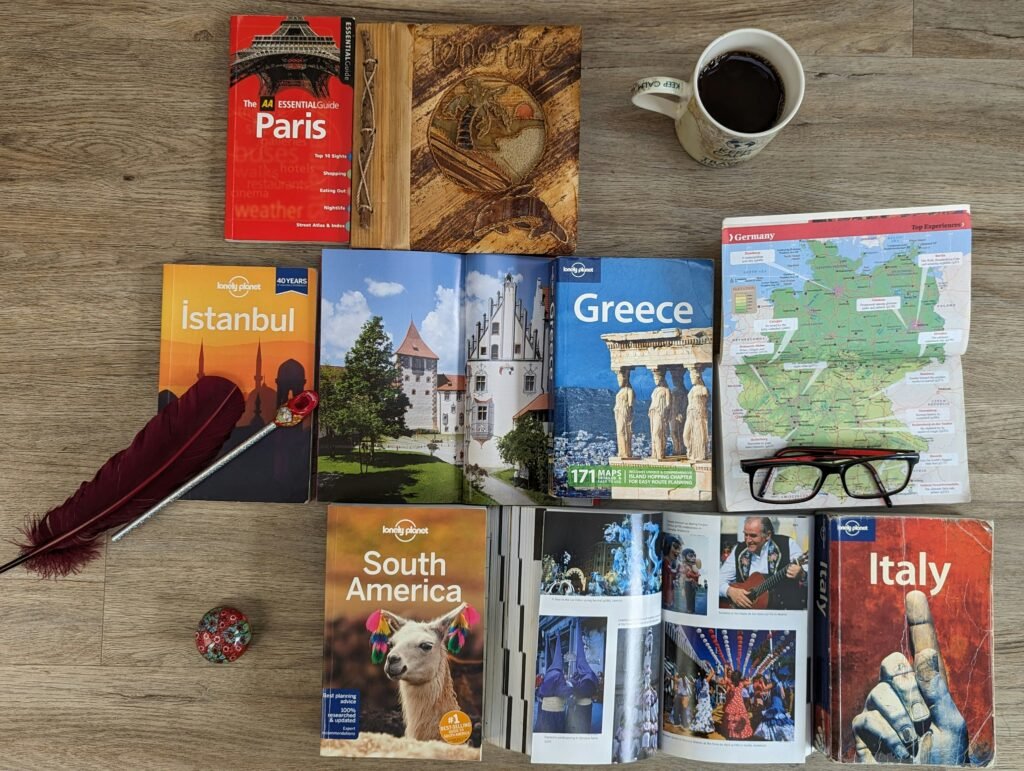
Knowledge is the ultimate travel accessory, and “Research Your Destination” is the first step in transforming a standard vacation into a deeply meaningful journey. Before you even zip your suitcase, diving into the specifics of your chosen locale provides a foundation of confidence and safety. Comprehensive research goes far beyond looking at pretty pictures on Instagram; it involves understanding the heartbeat of a place—its history, its social norms, and its current environment.
Start with the cultural etiquette. Every country has its own unwritten rules regarding tipping, dress codes, and social interactions. For instance, knowing whether it’s respectful to cover your shoulders in a cathedral or if a service charge is already included in your dinner bill prevents awkward misunderstandings and shows respect to your hosts. Researching local customs ensures you move through a new city as a thoughtful guest rather than a disruptive tourist.
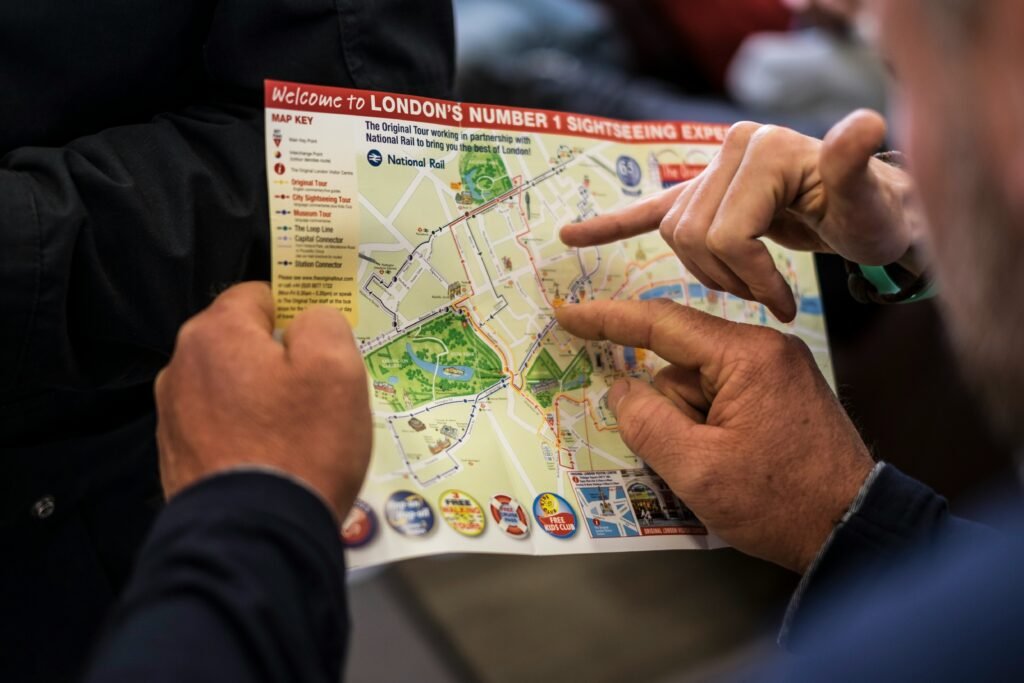
Next, look into logistics and safety. Identify the most reliable modes of local transport, whether it’s a specific ride-sharing app, a robust subway system, or a network of regional trains. Familiarize yourself with the “neighborhoods to avoid” and common local scams. Knowing that a certain plaza is known for pickpockets or that official taxis always use a meter allows you to stay vigilant without being paranoid. Additionally, check the local calendar for public holidays; arriving in a city only to find all the museums and markets closed can be a major disappointment.
Finally, use your research to find hidden gems. While the famous landmarks are popular for a reason, the most authentic memories often happen in the smaller, local-favorite spots you discovered in a travel blog or a community forum. By investing time in research, you create a flexible “bucket list” that balances must-see icons with off-the-beaten-path adventures, ensuring your next trip is as unique as you are.
2. Pack Smart and Light

Overpacking is a common mistake. Stick to versatile clothing layers and always leave some room in your suitcase for souvenirs you might pick up during your tours.
The philosophy of “Pack Smart and Light” is the ultimate secret to stress-free travel. It is a liberating approach that transforms your suitcase from a heavy burden into a streamlined toolkit for adventure. By focusing on quality over quantity and versatility over variety, you can navigate crowded airports, narrow train aisles, and steep cobblestone streets with an ease that most travelers only dream of.
The core of packing smart lies in the “capsule wardrobe” concept. Instead of packing separate outfits for every day, choose a tight color palette—such as navy, white, and tan—where every single item can be mixed and matched. Prioritize high-performance, lightweight fabrics like merino wool or technical synthetics that resist odors, wick away moisture, and dry quickly. This allows you to follow the “rule of three”: wear one, wash one, and have one spare. With this strategy, you can easily travel for weeks using only a carry-on bag, saving you from expensive checked luggage fees and the nightmare of lost baggage.
Beyond clothing, packing smart means being ruthless with your “just in case” items. Most travelers pack for every possible disaster, but the reality is that almost anything you forget can be purchased at your destination. Consolidate your toiletries into multi-use products and use travel-sized containers to save space. Utilize packing cubes to compress your gear and keep your bag organized; they act like drawers for your backpack, making it simple to find exactly what you need without exploding your entire suitcase across a hotel bed.
Ultimately, packing light isn’t just about physical weight; it’s about mental freedom. When you aren’t constantly managing a mountain of belongings, you are more present in your surroundings. You have the flexibility to change plans on a whim, catch an earlier flight, or walk to your hotel instead of waiting for a taxi. By packing smart and light, you prove that the best travel memories aren’t found in what you carry, but in the experiences you are free to pursue.
3. Choose the Right Tour for You
Not all tours are created equal. Decide if you prefer a fast-paced group itinerary or a private, customizable experience. Check reviews to ensure the tour operator aligns with your interests. Selecting the perfect tour can be the difference between a trip that feels like a chore and one that becomes a lifelong memory. With an overwhelming array of options—from high-energy group treks to serene, private cultural immersions—the key to Choosing the Right Tour for You starts with an honest assessment of your travel style, energy levels, and personal interests.
First, consider the group dynamic and size. Small-group tours (typically 8 to 16 people) offer a more intimate experience, allowing for stays in boutique heritage hotels and dining at local “hole-in-the-wall” eateries that large coaches simply can’t access. These are ideal if you value social connection and flexibility. On the other hand, larger “classic” tours are often more budget-friendly and provide a great overview of a country’s most famous landmarks with the security of a fixed schedule. If you prefer total independence, a “self-guided” tour—where a company handles your luggage and bookings but leaves the daily exploring to you—might be the perfect middle ground.
Next, scrutinize the pace and activity level. It’s vital to read the “itinerary intensity” carefully. Does the tour involve 6:00 AM wake-up calls and five hours of bus travel daily, or does it offer “slow travel” with multiple nights in a single city? Match the physical requirements to your own abilities; a walking tour of the hilly streets of Lisbon or a cycling trip through Tuscany requires a different level of fitness than a luxury river cruise.
Finally, look for niche alignment. Are you a foodie, a history buff, or a photography enthusiast? Many modern tours now specialize in specific themes, ensuring you spend your time with like-minded travelers and expert guides who share your passion. Check the “inclusions” list to see if entrance fees, tips, and meals are covered to avoid hidden costs. By taking the time to research and align a tour with your personal values, you ensure that every dollar and every hour spent on your next adventure is truly well-spent.
4. Stay Flexible
The best travel moments often happen when things don’t go exactly to plan. Keep an open mind and embrace the unexpected turns your trip might take! The true hallmark of a seasoned traveler isn’t a perfectly color-coded itinerary; it’s the ability to stay flexible when things inevitably go sideways. While planning provides a helpful roadmap, rigid schedules often become a source of stress rather than a tool for enjoyment. Embracing a flexible mindset allows you to transform a missed train, a sudden downpour, or a closed museum into an unexpected highlight of your trip.
Staying flexible starts with your itinerary. Instead of booking every hour of your day, leave “white space” in your schedule. This breathing room gives you the freedom to follow a local’s recommendation for a hidden cafe, linger longer at a breathtaking viewpoint, or simply take a nap when jet lag hits. When you aren’t racing against a clock, you are open to the serendipity that makes travel so magical. The most memorable stories usually begin with the phrase, “We ended up somewhere completely different than we planned.”
Logistically, flexibility also means having a “Plan B” ready to go. If your outdoor excursion is canceled due to weather, have a list of indoor galleries or local markets you’d like to explore. Being adaptable also helps your budget; sometimes, shifting your travel dates by a single day or choosing a different neighborhood can save you hundreds of dollars. Ultimately, travel is a lesson in letting go of control. By staying flexible, you protect your mental well-being and find that the “wrong turns” often lead to the very best destinations.
Ready to start your next adventure? Keep these tips in mind and enjoy every moment of your travels!